Voice Prompting Codex on Mac
By Kiran Jd
Published
By Kiran Jd
Published
Most Codex prompts are not commands. They are small specs.
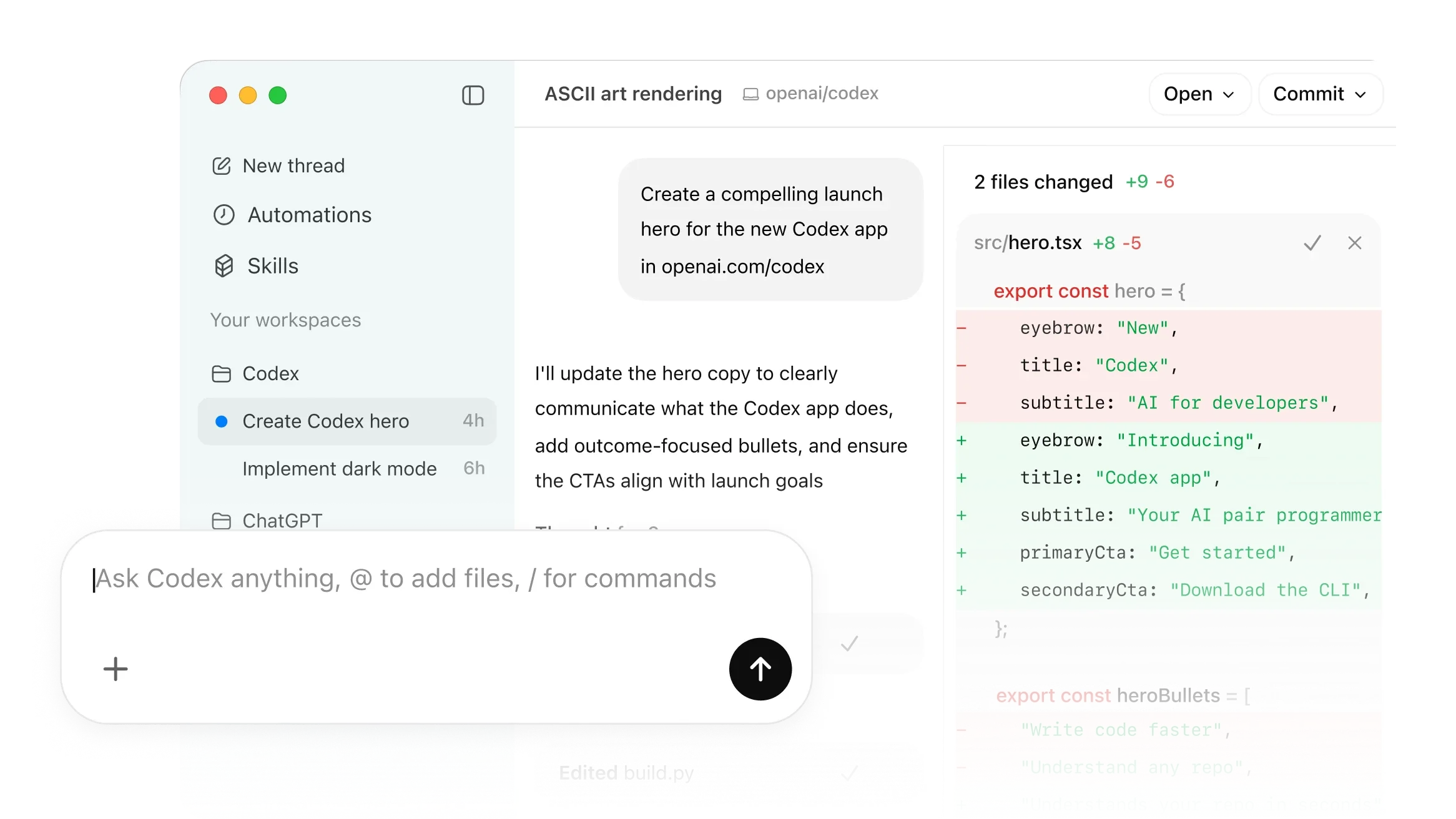
You are usually telling Codex what broke, what success looks like, what should stay untouched, and how broad the change should be. That makes voice useful in a narrow but important way. It is good for the brief. It is not good for the syntax.
The good voice prompts usually sound like something you would say to another engineer:
Those are good dictated prompts because they already exist in spoken language.
Example:
Review this auth flow for regressions. I want you to focus on session expiry, redirect loops, and whether the new middleware changes login behavior for existing users. Do not rewrite the whole module. Point out the risks first and only suggest code changes where the behavior is actually wrong.
That is not a command. It is a review brief. Voice is good at that shape.
Commands, paths, flags, snippets, and one-line edits are still keyboard work.
The same is true when the important part is not what you mean but exactly how it is written. Voice gets expensive there because cleanup wipes out the time you saved.
So the split is straightforward:
Codex prompts are often attached to real code changes. That makes the constraint layer more important than usual.
A decent spoken prompt tells Codex:
That is the part many people under-specify when they type too fast.
If the task is tiny, type it.
If the prompt is mostly filenames and flags, type it.
If the code change is so small that cleanup costs more than the typing, type it.
If the task still feels like a paragraph, voice helps. Once it becomes syntax, the keyboard should take over.